
How many units do you need?
Start with headcount and hours, not guesswork. OSHA 1926.51(c) sets the baseline for construction crews: 1 toilet for 20 workers or fewer, then 1 toilet seat and 1 urinal per 40 workers once you pass 20, dropping to 1 per 50 at 200 or more. Farm crews doing hand labor fall under a different rule, OSHA 1928.110, which calls for one facility per 20 workers within a quarter mile walk, plus potable water. Events run on guest count and bar service instead of labor law, so a wedding with 150 guests needs a different math than a job site with 150 framers. If you are still not sure, our guide to figuring out unit counts walks through both cases. Great Falls Porta Pros sizes most residential remodels at one standard unit for a crew under 10, one week at a time. For anything bigger, run the numbers against OSHA's portable toilet requirements before you order, then check unit pricing on the porta potty rental cost page so the count and the budget match.
What type of unit fits the job?
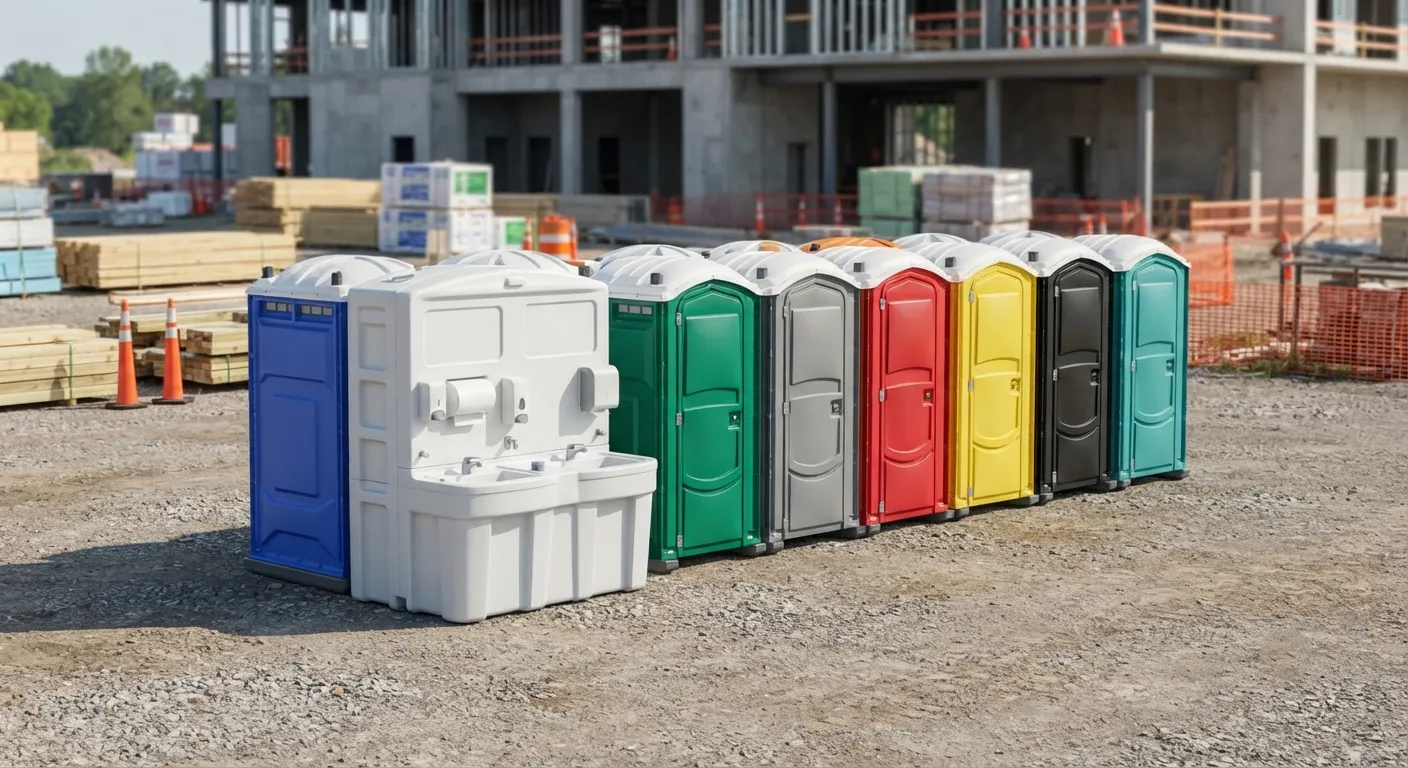
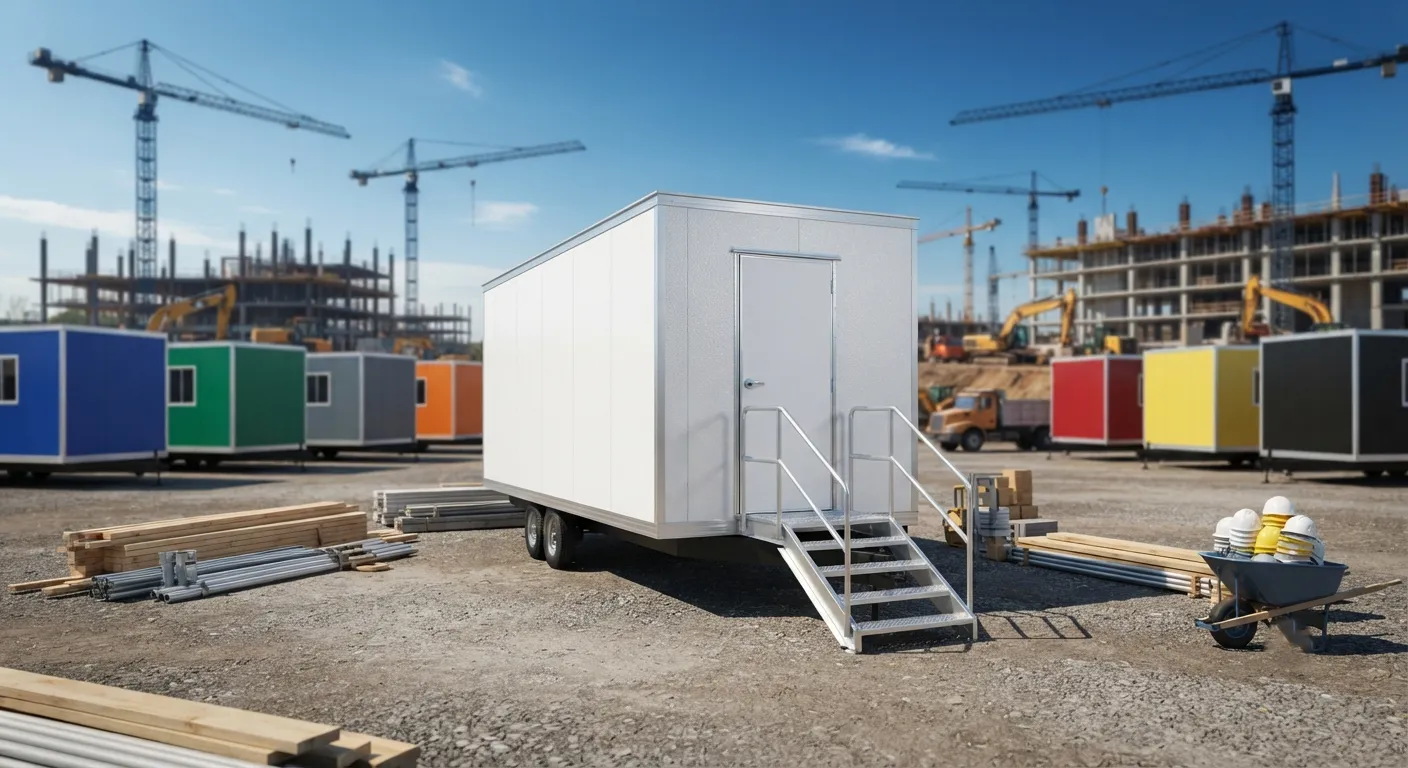
Match the unit to the site, not the other way around. A standard porta potty rental covers most construction and cleanup work: it holds a 60 to 70 gallon tank, stands about 92 inches tall, and sits on a 44 by 48 inch footprint, per industry spec sheets used across the rental trade. Weddings and corporate events usually want a deluxe flushable porta potty with a flush handle and a sink. Any site expecting the public, or any job site over a certain headcount, needs at least one accessible unit under ADA Standards 213.2, which requires 5 percent of clustered single-user units to be accessible, and never fewer than one. That unit needs a 60 inch turning circle per ADA 304.3.1 and a 32 inch clear door opening per ADA 404.2.3. See the ADA accessible porta potty page for the full spec, or browse portable restroom rental options if you're comparing several types at once. Multi-day festivals often skip individual units entirely and rent a restroom trailer instead, especially the 4 stall restroom trailer for anything over 200 guests.
Where should units go on site?
Placement decides how well the rental works. Units need stable, firm, slip-resistant ground per ADA Standards 302.1, and a clear approach at least 36 inches wide under ADA 403.5.1 so wheelchair users and hand trucks both fit. Delivery trucks need roughly 60 feet of straight clearance behind them to set a roll-off or a unit safely, so don't box in the drop zone with parked cars or dumpster loads. If the job sits in the public right of way anywhere in Great Falls, placement needs confirming with the city before delivery day, since we're not naming a specific ordinance here. Our porta potty placement guide covers ground surface, wind exposure, and service truck access in more detail, and the porta potty permit requirements page explains what to check before you commit to a spot. Sites near Malmstrom AFB, about 5.9 miles east of downtown Great Falls, sometimes have added access rules worth confirming early. Winter jobs have their own placement issues too, covered on porta potty in winter.
How often do units get serviced?
Once a week is the floor, not the target, for most jobs. ANSI/PSAI Z4.3, the industry standard for portable sanitation, sets one service visit per week as the baseline for up to 10 users over a 40 hour week. High-traffic events or large crews need more frequent pumping, and Great Falls Porta Pros schedules extra visits on request for anything past that baseline. Handwashing matters here too: 29 CFR 1910.141(d)(2) requires soap and towels or a hand-drying device at washing stations, and hand sanitizer alone does not meet that standard. Sites doing painting, coating, or pesticide work trigger a different rule, OSHA 1926.51(f)(1), which requires washing facilities specifically for those contaminant tasks. Pair any restroom order with a handwashing station rental or a portable sink rental rather than relying on sanitizer stations alone. For a sense of how service intervals affect your bill, compare porta potty rental per day against monthly porta potty rental pricing before you lock in a term.
| unit | day | week | month |
|---|---|---|---|
| standard | $100-$350 | $130-$500 | $125-$325 |
| ada | $200-$400 | $200-$240 | not sold monthly |
| deluxe | $85-$1200 | $150-$290 | not sold monthly |
Weekend rentals run separately from these terms. A standard unit typically runs $125 to $400 for a weekend, and an ADA unit runs about $199 to $300 for the same window, so check the ADA accessible porta potty page if a wedding or short event is the plan. If your project also needs debris hauled, look at roll-off dumpster rental or 10 yard dumpster rental while you're building the checklist, and add temporary fence rental if the site needs a perimeter. Jobs near Black Eagle, about 3.9 miles northeast of Great Falls, or Gibson Flats, 5.4 miles southeast, use the same pricing bands since delivery stays local.
How far in advance should I book?
Book as soon as you have a date and headcount, especially for weekends. Weddings and festivals fill delivery slots fast in Great Falls during peak season. Construction crews can usually get standard units within a few days. Emergency situations get faster turnaround through emergency porta potty rental.
Do I need an ADA unit if my event is small?
Yes, if units are open to the public. ADA Standards 213.2 requires at least one accessible unit in any cluster of single-user toilets, regardless of total headcount. There's no small-event exemption written into the standard.
What's the difference between a standard and deluxe unit?
A standard unit has a holding tank and no plumbing hookup for washing. A deluxe unit adds a flush handle and often a sink, better suited to weddings and office-adjacent job sites. See deluxe flushable porta potty for full specs.
Can I add handwashing stations to any order?
Yes. Handwashing stations rent separately from toilets and pair with any unit type. Per 29 CFR 1910.141(d)(2), stations need soap and towels or a dryer, not sanitizer alone, to meet the washing facility standard.
How do I know if my site needs a permit?
Check with the city before delivery, since placement in the public right of way isn't something to guess on. Our porta potty permit requirements page explains what to ask and when to ask it.
Next step
Get a delivery date
Tell us the address, the dates and the headcount. We size the order and confirm the route.