
What Are the First Signs a Septic Tank Needs Pumping?
Drains that empty slower than they used to are usually the first tell. Kitchen and bathroom sinks back up a little, toilets take an extra flush, and the tub drains sluggish even after a plunger. That is the tank filling faster than it is breaking down waste. If you are renting equipment during a remodel and want a temporary fix while you sort out the septic side, look at porta john rental or a standard porta potty rental to keep the household running.
Gurgling sounds from pipes after a flush mean air is trying to push past a blockage or a full tank. Bad odor near the tank lid, in the yard, or coming up through drains is another early flag. None of these alone means disaster. Together, especially if it has been more than 3 years since the last pump, they mean call someone. Great Falls Porta Pros handles septic pumping service and can tell you fast whether it is a simple pump-out or something more.
Why Is There Standing Water or Soggy Grass Over My Drain Field?
Standing water or unusually green, soggy grass over the drain field means the tank is overflowing into the leach field instead of being pumped out properly. This is the sign that should move fastest to a phone call, because a saturated drain field can take longer to recover than the tank itself. It is more expensive to fix than a routine pump-out.
The fix usually starts with septic tank cleaning to remove solids and buy the drain field time to dry out and start absorbing again. Homeowners searching costs before they call should check septic tank pumping cost so there are no surprises. If the field stays wet for days with no rain, or the grass smells sour when you walk on it, do not wait for the next scheduled pump. For restaurants and commercial kitchens, a related but separate problem is grease trap pumping, since a grease interceptor gets serviced once fats, oils, grease and solids reach 25 percent of the liquid depth, not on a fixed calendar.
Should I Worry About Sewage Odor Inside the House?
Yes. Sewage smell inside the house, especially near floor drains or basement fixtures, usually means a plumbing vent problem or a septic system that has backed up past capacity. It is one of the clearer signs something is wrong, unlike a faint outdoor smell that can come and go with weather. How often to pump a septic tank covers the maintenance schedule that prevents this in the first place, but if you already smell it indoors, treat it as urgent.
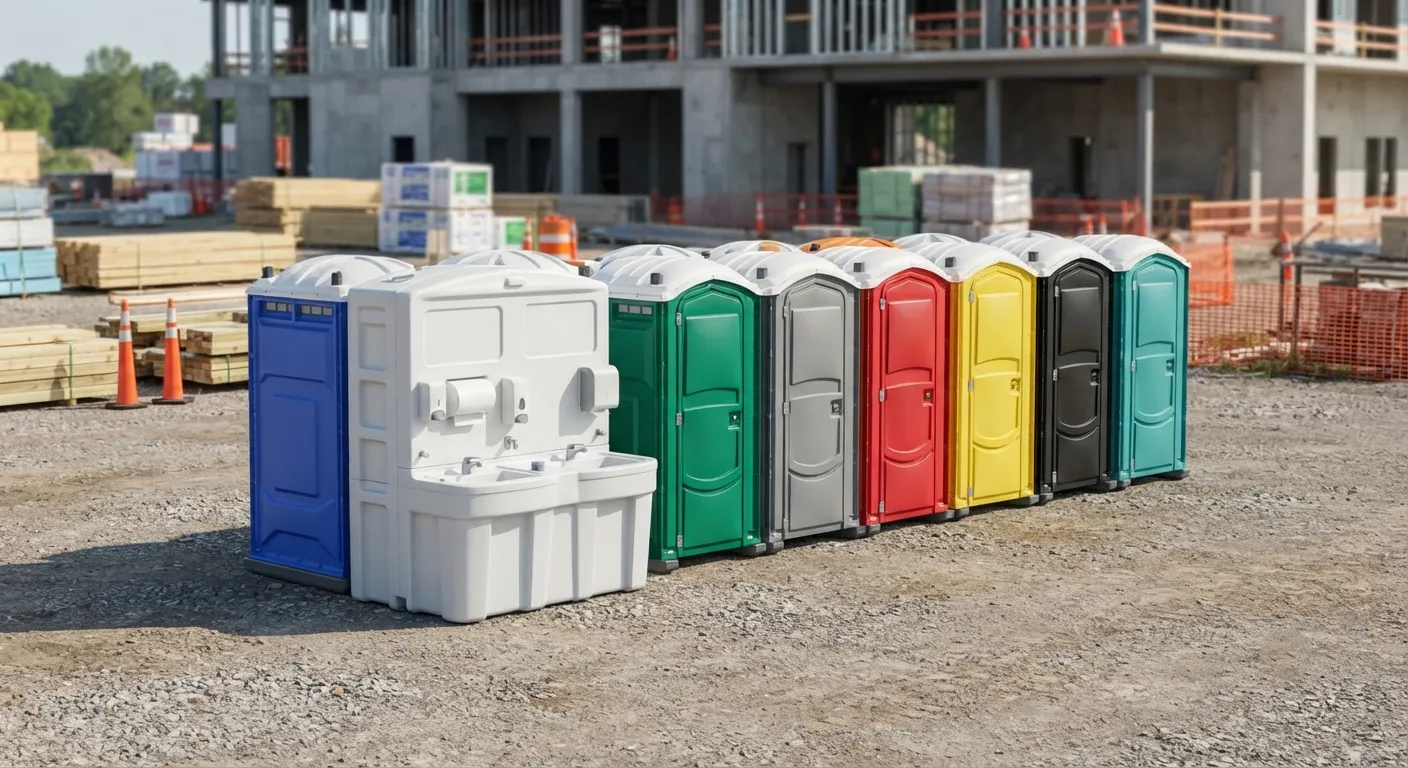
Compare that to sanitation standards on a job site or event, where OSHA 1926.51(c) sets toilet counts for construction crews and 29 CFR 1910.141(d)2 requires soap and towels or a hand-drying device at washing stations, not sanitizer alone. A failing home septic system is a different animal entirely, but the same principle applies: waste that is not managed on schedule becomes a health problem, not just an inconvenience. If your household needs backup toilets while the system is pumped or repaired, a portable toilet rental or portable restroom rental bridges the gap.
When Is It an Emergency Versus a Scheduled Pump-Out?
Sewage backing up into the house, a drain field flooded with standing water, or a tank alarm going off are emergencies. Slow drains and mild odor near the tank lid are not, but they are your warning to schedule service soon rather than wait for the next routine interval. The gap between those two categories is where most homeowners get it wrong; they wait through the early signs and end up with the emergency version.
Our emergency septic service line exists for the second category. For known warning signs caught early, regular septic pumping service on a normal schedule is cheaper and less disruptive. Great Falls sits close enough to several nearby communities that we can respond quickly: Black Eagle is 3.9 miles northeast, Malmstrom AFB is 5.9 miles east, and Gibson Flats is 5.4 miles southeast, all inside a short drive from our Great Falls base. If you are farther out near Sand Coulee, 13.5 miles southeast, or Big Stone Colony, 11.4 miles southeast, call ahead so we can route the truck efficiently.
How much does septic pumping cost in Great Falls?
A standard septic pump-out runs $150 to $300 for a day visit, depending on tank size and access. Weekend service, if you need it outside a normal schedule, runs $50 to $150. See septic tank pumping cost for the full breakdown before you book.
How often should a residential septic tank be pumped?
Every 3 to 5 years for a typical residential tank, driven mainly by tank size and how many people live in the house. Larger households or smaller tanks lean toward the 3 year end. Track it with how often to pump a septic tank.
What happens if I ignore septic warning signs?
The drain field can become saturated, which takes far longer to recover than a simple pump-out and costs more to repair. Sewage can also back up into the house. Catching slow drains or odor early, before standing water appears, keeps the fix simple.
Can I use a holding tank while my septic system is repaired?
Yes. A holding tank rental keeps the household or job site running while the septic system is pumped, inspected or repaired. It is a common temporary bridge during longer septic repairs in Great Falls.
Do portable toilets help during a septic emergency at home?
Yes. If the bathroom is unusable during pumping or repair, a porta potty rental or emergency porta potty rental keeps the household functional without waiting on the septic fix to finish.
Next step
Get a delivery date
Tell us the address, the dates and the headcount. We size the order and confirm the route.