
How fast can you deploy sanitation after a disaster?
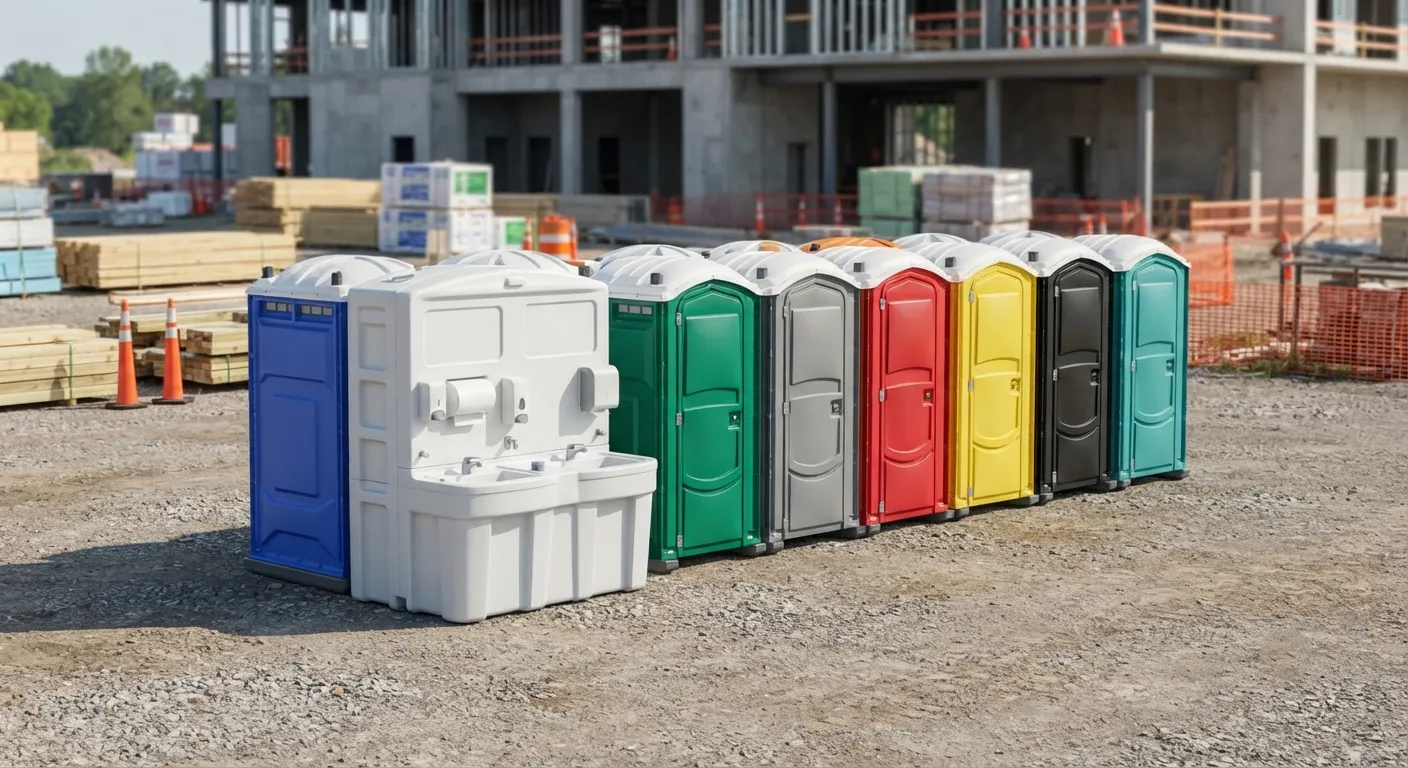
Speed matters most in the first 48 hours, when city water and sewer lines may be down and people still need a working toilet. Great Falls Porta Pros treats emergency porta potty rental calls as priority dispatch, ahead of routine weekly swaps. A standard unit carries a 60 to 70 gallon holding tank and sits about 44 by 48 inches on the ground, so it fits on a driveway, a church lot or a school field without needing a permit review before the first delivery. For larger relief operations, a portable restroom rental package can combine multiple standard units with a handwashing station rental, since disaster response almost always means limited hot water and higher risk of illness spreading through a shelter population. If the event knocked out a lift station or a residential system entirely, a holding tank rental can bridge the gap until the septic or sewer connection is repaired. Crews responding to storm damage in Black Eagle, 3.9 miles northeast of Great Falls, or out toward Malmstrom AFB, 5.9 miles east, work off the same dispatch queue as calls inside city limits, so distance rarely adds more than an hour to arrival.
What sanitation do disaster shelters actually need?
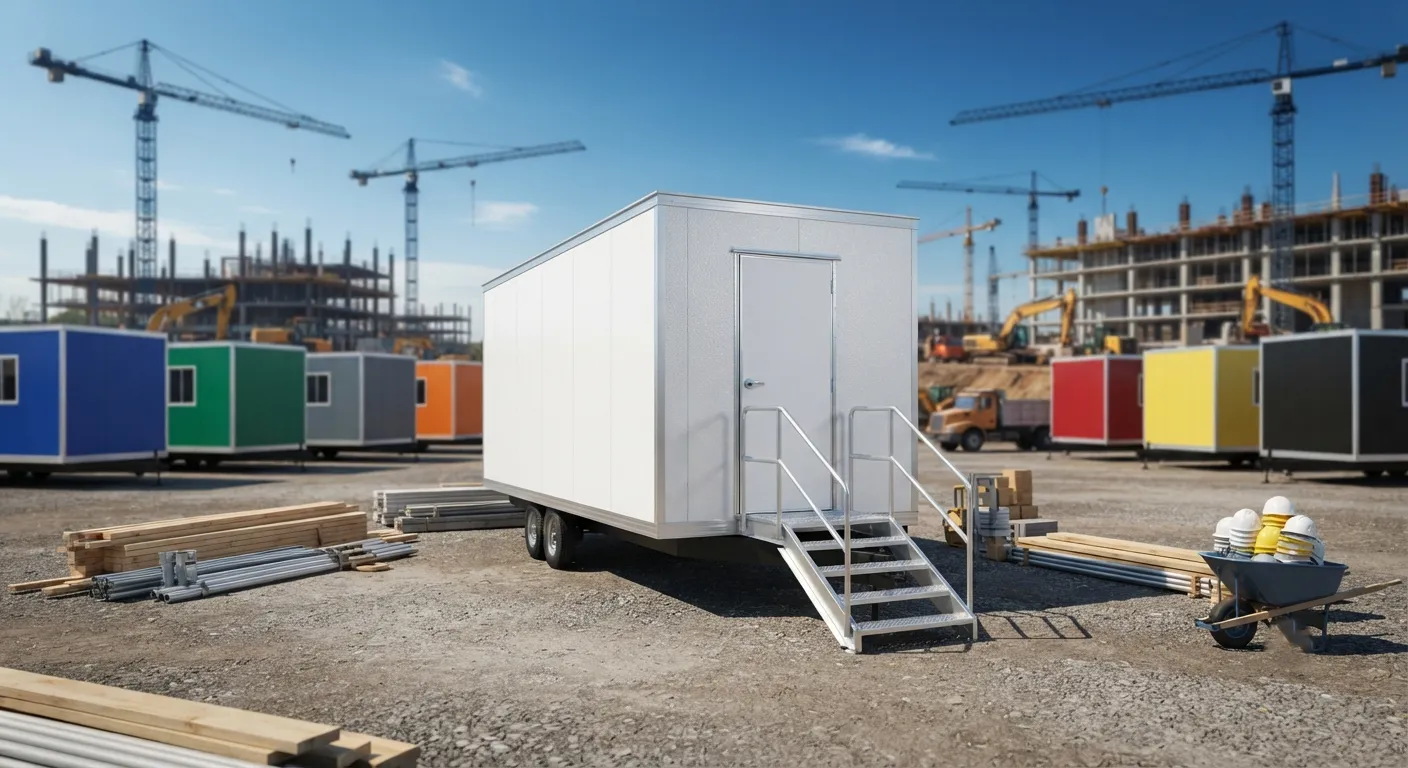
Shelters need toilets, handwashing and a plan for how many people will use both at once, not just a delivery truck showing up. OSHA 1926.51(c) sets a baseline most relief planners borrow even outside construction: one toilet facility for 20 people or fewer, with additional units scaled up from there, and that ratio is a reasonable starting point when a shelter intake team is estimating unit counts for a church basement or a fairgrounds building. Handwashing setups need soap and towels or a hand-drying device under 29 CFR 1910.141(d)2, since hand sanitizer alone does not meet that standard, which matters in a shelter where norovirus and other gut illness spread fast in tight quarters. At least one unit in any cluster needs to be accessible per ADA Standards 213.2, which requires 5 percent of clustered units, and never fewer than one, to meet accessibility specs; that means a 60 inch turning circle under ADA 304.3.1 and a 32 inch clear door opening under ADA 404.2.3 for anyone using a wheelchair or walker. Our ADA accessible porta potty units are built to that standard and get flagged for priority placement whenever a shelter coordinator mentions elderly or mobility-limited residents. For larger disaster staging areas, a 4 stall restroom trailer or 8 stall restroom trailer handles higher foot traffic better than scattered single units, and pairs well with a shower trailer rental for multi-day sheltering. Anyone planning shelter capacity from scratch can start with how many porta potties do I need for a quick unit-count estimate before calling in specifics.
Should you rent or wait for county resources during a disaster?
Waiting on county or state relief trailers can cost days that a household or a small shelter site does not have, so most people in Great Falls call a private vendor first and let county resources supplement later. Great Falls Porta Pros keeps standard units and trailers staged for exactly this reason, since public disaster response logistics can take time to mobilize across a rural county the size of Cascade. A single standard unit rented for a weekend during flooding or storm cleanup runs in the same price band as any short-term weekend rental, and a porta potty rental cost page breaks down the day, week and weekend numbers if a household is budgeting the cleanup period rather than a single incident. For property owners also dealing with debris, a roll-off dumpster rental alongside the sanitation order clears storm debris and damaged materials faster than waiting on a single county drop-off point, and what cannot go in a dumpster is worth checking before loading hazardous storm debris. Homes with septic systems that took on floodwater should also get a look from a septic pumping service, since a compromised tank can back up fast once the ground saturates. Residents out in Gibson Flats, 5.4 miles southeast, or Sand Coulee, 13.5 miles southeast, have used the same emergency dispatch line as in-town calls, and travel time has not been a barrier to same-day service. For anyone coordinating relief across multiple sites at once, the construction site services page and service areas hub both list what is available fleet-wide.
How many toilets does a shelter of 50 people need?
Using OSHA 1926.51(c) as a planning ratio, 50 people would need roughly three toilet facilities, though shelter coordinators often round up for comfort and turnover. Actual placement depends on layout, walking distance and whether showers or handwashing stations are also needed on site.
Can you deliver during active storm conditions?
Delivery during active severe weather depends on road safety and driver conditions at the time of the call. Once conditions clear enough for safe transport, Great Falls Porta Pros dispatches immediately, and emergency calls get priority routing ahead of standard scheduling.
Do disaster relief units need a permit in Great Falls?
Placement in the public right of way needs confirming with the city before delivery, since permit rules vary by location and event type. For placement fully on private property, this is rarely an issue, but check with the city if units will sit near a street or sidewalk.
What is the fastest option for a single household without water?
A standard portable toilet is the fastest deployable option, since it needs no water hookup and can be placed within hours. Pairing it with a portable sink or portable sink rental covers basic hygiene until plumbing is restored.
How long can a disaster rental stay in place?
Rentals can stay as long as needed, from a few days during cleanup to several weeks if repairs run long. Service intervals follow the same weekly baseline used industry-wide under ANSI/PSAI Z4.3, though high-use shelter sites often need more frequent pumping.
Next step
Get a delivery date
Tell us the address, the dates and the headcount. We size the order and confirm the route.