
Where should a porta potty be placed on site?
Ground matters more than people think. ADA Standards section 302.1 calls for surfaces that are stable, firm and slip resistant, and that rule doesn't stop applying just because the unit is temporary. Skip soft grass, loose gravel and slopes. Great Falls sees enough freeze-thaw cycling that a unit sitting on soft ground in spring can settle and tip by summer. Keep the door swing clear, leave the vent stack facing away from seating or work areas, and check our full porta potty rental page for setup basics before delivery day. If you're renting for a jobsite, cross reference construction site services for how placement ties into crew flow. For events, our event restroom rental guide covers guest traffic patterns that jobsites don't have to worry about. Anyone renting near Malmstrom AFB, about 5.9 miles east of downtown Great Falls, should plan for base access restrictions that can affect where a truck can park to service the unit.
Do I need a permit to place a porta potty in Great Falls?
Placement in the public right of way needs confirming with the City of Great Falls before delivery. We can't cite a specific ordinance here because permit rules vary by parcel and by whether the unit sits on a sidewalk, street shoulder or private lot. If you're placing a unit on private property set back from the curb, permitting is usually simpler, but check with the city first regardless. This is the same conversation that comes up around dumpster placement permit questions and dumpster placement permit cost estimates. Our porta potty permit requirements page walks through what to ask the city clerk, and our dumpster permit requirements page covers the roll-off side if you're renting both. Don't guess on this one. A misplaced unit that blocks a sidewalk or a fire lane can get flagged and moved at your cost.
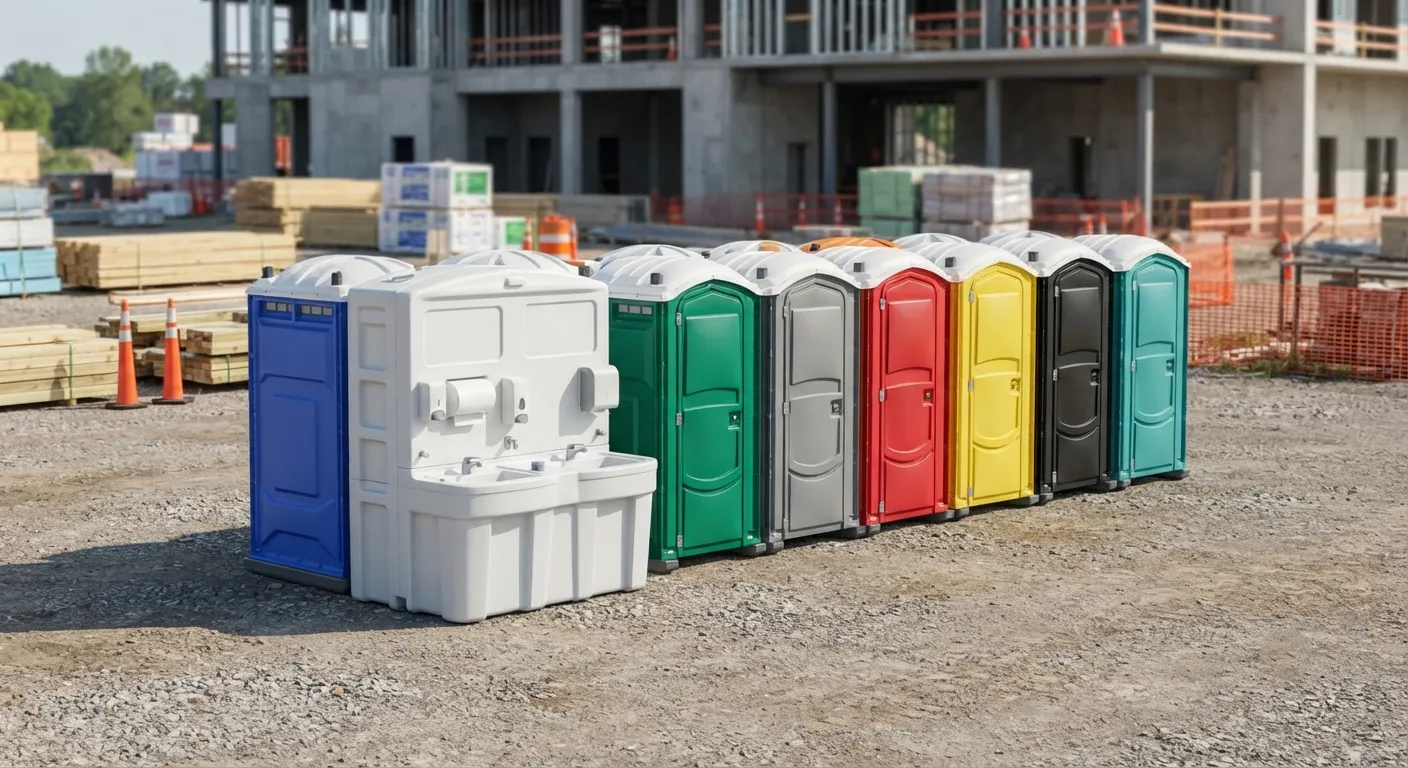
How many units do I need and where do they go relative to each other?
Spacing depends on headcount, not guesswork. OSHA 1926.51(c)(1) sets the construction ratio at one toilet for 20 workers or fewer, then one toilet seat and one urinal per 40 workers once you pass 20, and one per 50 once you hit 200 or more. Agricultural crews fall under a different rule: OSHA 1928.110 requires field sanitation facilities within a quarter mile walk of hand-labor employees, at one facility per 20 workers. That distance matters for placement on farm sites near Sand Coulee or Big Stone Colony, both a bit over 11 miles southeast of Great Falls, where fields can stretch well past a quarter mile from any one fixed point. Our how many porta potties do I need page runs the math for different crew sizes, and OSHA portable toilet requirements breaks the ratio table down further. If you're clustering multiple standard units, ADA Standards section 213.2 requires at least 5 percent of the cluster, and never fewer than one unit, to be accessible. Pair that accessible unit with an ADA accessible porta potty rated for a 60 inch turning circle per ADA Standards section 304.3.1, and place it on the same firm pad as the rest of the cluster, not off to the side on gravel.
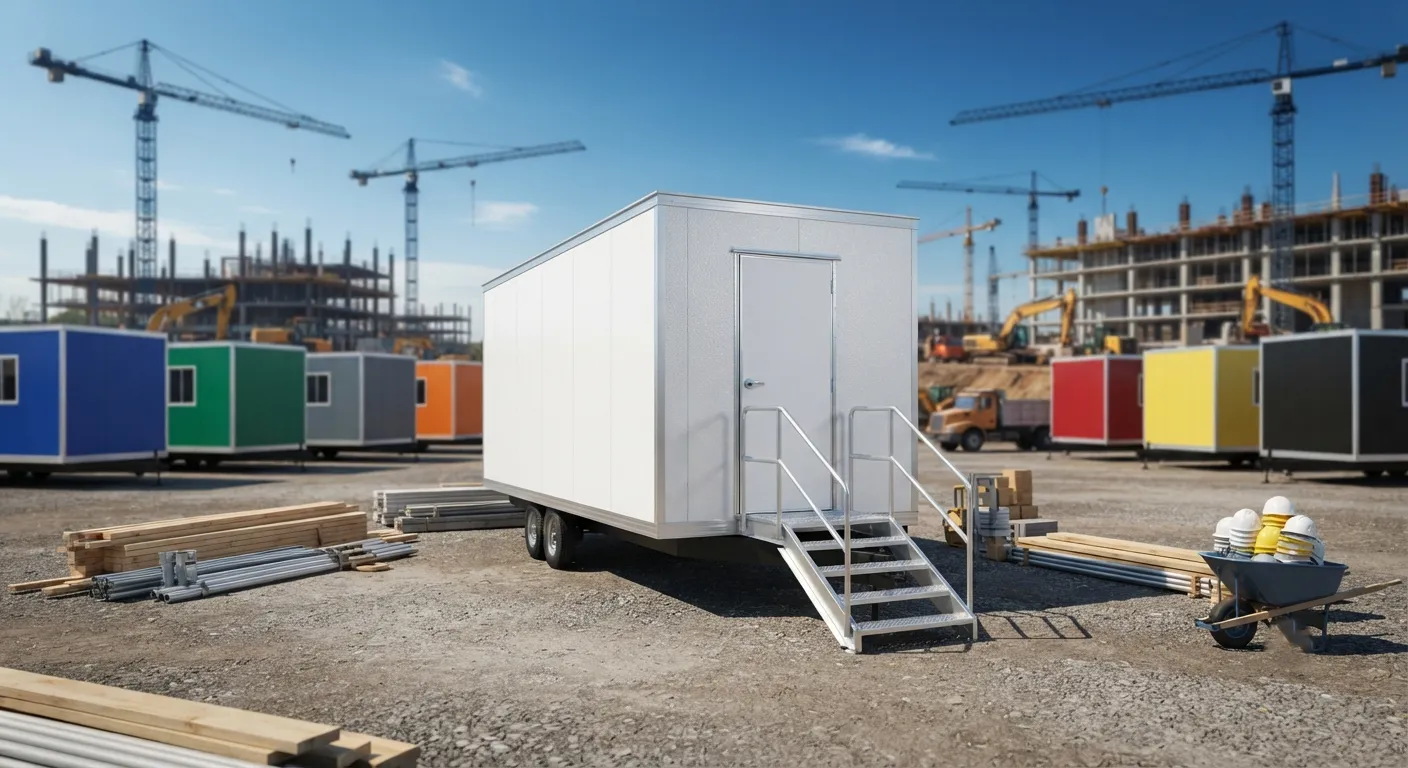
Can I place a porta potty near a septic system, storage container or fence line?
Yes, but give each piece room to be serviced independently. A pump truck needs clear access to a septic tank, and homes on private systems typically need that tank pumped every 3 to 5 years depending on size and household use, per our septic pumping service page. Don't stage a porta potty directly over a septic lid or leach field. If you're running a jobsite with a storage container rental or a mobile office trailer on site, keep the restroom at least a few feet clear of the container doors so foot traffic doesn't block them, and check that any mobile office trailer replacement doors work has cleared before you box the unit in. Roll-off deliveries need about 60 feet of straight clearance behind the truck, so map that path before you set toilets or temporary fencing along the same route. Fence panels should sit outside the swing radius of any door, portable or otherwise, and barricades used near roadways should meet OSHA 1926.202, which calls for barricades conforming to ANSI D6.1.
FAQ
How far should a porta potty be from a septic tank or leach field?
Keep it clear of the tank lid and leach field entirely so a pump truck has full access. Great Falls properties on private systems generally pump every 3 to 5 years, per our septic guidance, and a porta potty parked over the access point defeats that maintenance window fast.
Do I need to level the ground before delivery?
Yes. ADA Standards section 302.1 calls for stable, firm, slip resistant surfaces, and that's good practice even for non-accessible units. A few inches of gravel or plywood under the base prevents sinking after Great Falls rain or spring thaw.
Where can I find replacement parts for a portable handwashing station?
Check with your rental provider first; some units use branded parts like Ozark River portable sink replacement components that aren't universal. Our handwashing station rental page lists what's typically stocked and serviceable on a rental unit.
Can a porta potty sit on a sidewalk or street shoulder?
Only with city confirmation. Right of way placement in Great Falls needs sign off before delivery, since blocking a sidewalk or fire lane creates liability the renter carries, not the delivery driver.
Does placement change in winter?
Yes. Frozen or icy ground shifts more than people expect, and access for service trucks gets tighter. Our porta potty in winter page covers pad prep and servicing intervals specific to cold months.
Next step
Get a delivery date
Tell us the address, the dates and the headcount. We size the order and confirm the route.