
How Often Does a Septic Tank Need Cleaning?
Three to five years is the standard interval, and it comes down to two things: tank size and household size. A bigger household fills a tank faster. Great Falls Porta Pros sees this play out across the whole county, from homes near Black Eagle, 3.9 miles northeast of Great Falls, out to properties closer to Sand Coulee, 13.5 miles southeast. If you have never had the tank serviced and do not know its size, that is the first thing to find out. Waiting too long risks a backup, and a backup on a Friday night is a bad way to learn your interval was wrong. If you are not sure where your tank sits in that 3 to 5 year window, septic tank warning signs is worth a read before you guess. For businesses running a kitchen, the math is different: a grease interceptor gets pumped once fats, oils, grease and solids reach 25 percent of the liquid depth, which can mean monthly service instead of a multi-year cycle. That is a separate job from residential pumping, covered under grease trap pumping.
What Affects Septic Tank Cleaning Frequency?
Tank size versus household size drives most of it. A small tank under a full house works harder than a large tank under two people, and that gap widens every year you skip a pump-out. Garbage disposals, laundry habits and even a house full of holiday guests all speed things up. If you are building an addition or adding a bathroom, it is worth having septic pumping service look at capacity before, not after. Homes on private wells and septic out past Gibson Flats, 5.4 miles southeast of Great Falls, tend to run older systems, and older tanks often need closer attention than the standard interval suggests. Commercial kitchens and food service operations in Great Falls should track their interceptor separately from any residential septic on the same property, since the two run on completely different clocks. If you are renovating and need sanitation on site while the septic system is offline, home renovation porta potty covers short-term coverage, and holding tank rental is an option if the whole system needs to come off line for repair work.
Why Does Regular Pumping Matter?
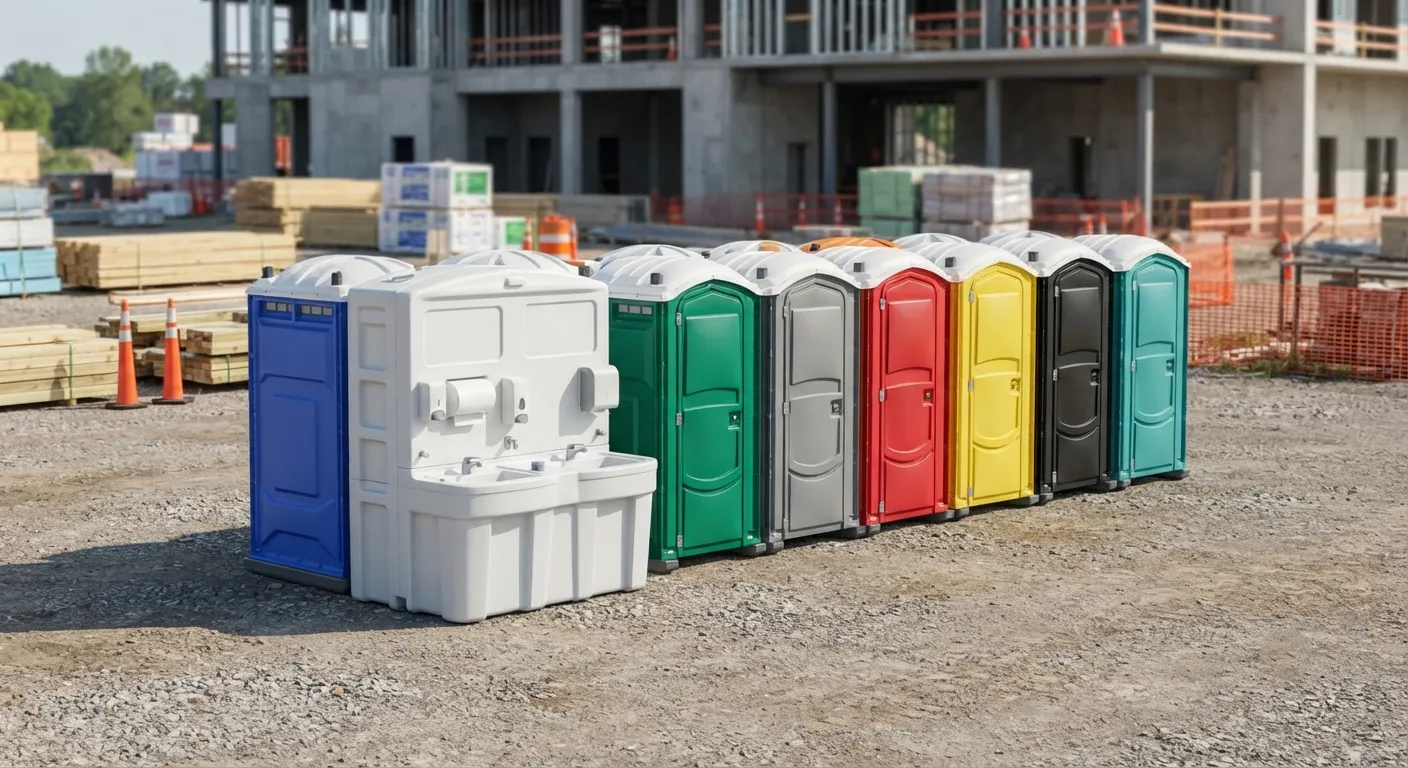
Skipping pumping does not save money, it just moves the cost to a repair bill. Solids that never get pumped out eventually clog the drain field, and drain field repair costs far more than a routine pump-out ever would. This is doubly true for larger properties: ranches and ag operations near Big Stone Colony, 11.4 miles southeast of Great Falls, often run septic systems that also need to handle seasonal labor housing or bunkhouse use, which pushes volume well past what the tank was sized for. If you are running field crews and need toilets and handwashing that do not touch the septic system at all, farm and agricultural restrooms and handwashing station rental keep that load off the tank entirely. For general sanitation planning on a jobsite or event, OSHA 1926.51(c) sets toilet counts by worker headcount, and 29 CFR 1910.141(d)2) requires soap and towels or a hand-drying device at wash stations, hand sanitizer alone does not satisfy it. Neither rule governs septic pumping directly, but they matter if you are staffing a property that also depends on a private system.
When Should You Schedule Service?
Schedule before symptoms show up, not after. Slow drains, gurgling pipes or standing water near the drain field mean the tank is already past due, and by then you are calling for emergency service instead of routine maintenance. Emergency septic service covers those calls, but a scheduled pump-out on the 3 to 5 year cycle is cheaper and a lot less stressful. Great Falls Porta Pros also handles septic tank cleaning for people who just want the tank checked and are not sure it is time yet. If your property sits near Malmstrom AFB, 5.9 miles east of Great Falls, or anywhere else across the service area, the visit is the same: pump, inspect, and give you a realistic timeline for the next one. Cost varies by tank size and access, and septic tank pumping cost breaks that down further.
| service | typical range |
|---|---|
| septic pumping, per visit | $150 to $300 |
| septic service, weekend call | $50 to $150 |
How do I know if my septic tank needs pumping now?
Slow drains, gurgling toilets, or wet, spongy ground near the drain field are the clearest signs. Sewage odor indoors or standing water outside means it is overdue. Do not wait for a full backup. Check septic tank warning signs and schedule service the same week you notice symptoms.
Does household size really change the pumping schedule?
Yes. A tank under a household of six fills much faster than the same tank under two people. That is why the interval is a range, 3 to 5 years, rather than a fixed number. Households on the higher end of that range should check the tank sooner rather than assume it can wait.
What is the difference between septic pumping and grease trap pumping?
Septic tanks serve household wastewater and run on a multi-year cycle. Grease interceptors serve kitchens and get pumped once fats, oils, grease and solids hit 25 percent of the liquid depth, often monthly. See grease trap pumping for commercial kitchen schedules.
Can I keep using the house while the tank is pumped?
Generally yes, the visit does not require shutting off water for long. If the system needs repair work afterward and the tank goes offline, a holding tank rental covers the gap so the household is not without a working system.
What if I am not sure how big my tank is?
That is common, especially on older properties. Great Falls Porta Pros can identify tank size and condition during the first visit under septic pumping service, then set a realistic pumping interval based on what they find rather than a guess.
Next step
Get a delivery date
Tell us the address, the dates and the headcount. We size the order and confirm the route.