
How do porta potties work day to day?
The basic unit sits on a footprint about 44 by 48 inches and stands roughly 92 inches tall, small enough to tuck beside a garage or a job trailer. Waste and a blue deodorizing chemical mix in the tank below the seat. That chemical breaks down solids and knocks down odor between services. There's no water tank feeding a flush, which is why a standard porta potty rental needs no hookup at all. A construction worker walking to the porta potty on a Great Falls jobsite just needs a clear, stable path, ideally under 36 inches wide per ADA Standards section 403.5.1 if the unit is the accessible model. Great Falls Porta Pros follows ANSI/PSAI Z4.3, which sets a baseline of one service visit per week for up to 10 users over a 40 hour week. Busier sites get serviced more often. For crews wondering how many units a project actually needs, the how many porta potties do I need guide breaks it down by headcount and hours.
How does a portable sink work?
A portable sink runs on a fresh water tank, a foot pump or gravity valve, and a gray water tank underneath to catch runoff. Nothing connects to a building. You pump, water flows over your hands, soap does its job, and the used water drains into the holding tank instead of the ground. Under 29 CFR 1910.141(d)(2), washing facilities need soap and a towel or hand-drying device on site. Hand sanitizer doesn't satisfy that. A handwashing station rental or a portable sink rental covers that requirement on food-service jobs, farm crews, and any site where OSHA 1926.51(f)(1) applies, meaning workers are applying paints, coatings, herbicides or insecticides and need washing facilities for contaminant exposure. Most construction sites don't trigger that rule, but plenty of Great Falls contractors add a sink anyway because crews want it.
How do flushable porta potties work?
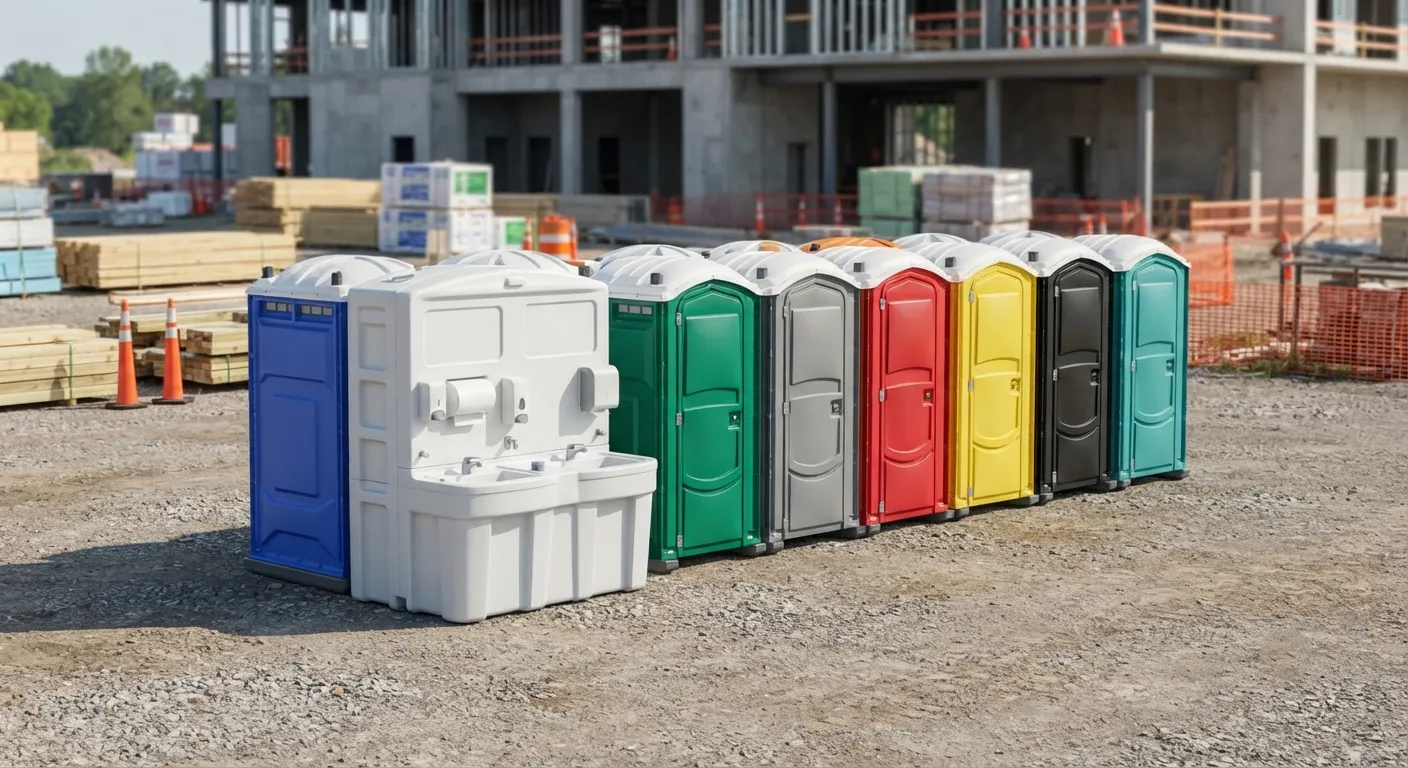
A deluxe or flushable unit adds a small fresh water tank and a foot-pump or pressurized flush valve that pushes a splash of water into the bowl after each use, similar to a home toilet but self-contained. The tank still holds waste below, same as a standard unit, but the flush cuts odor further and feels closer to what guests expect at a wedding or graduation party. The deluxe flushable porta potty page has size and price detail. An ADA accessible porta potty can come in either configuration, standard or flushable, and per ADA Standards section 304.3.1 needs a 60 inch turning circle inside. ADA Standards section 213.2 requires that where units are clustered, at least 5 percent, and never fewer than one, must be accessible. That matters for events at Malmstrom AFB, 5.9 miles east of downtown Great Falls, and other larger gatherings around the city.
How do camping porta potties work?
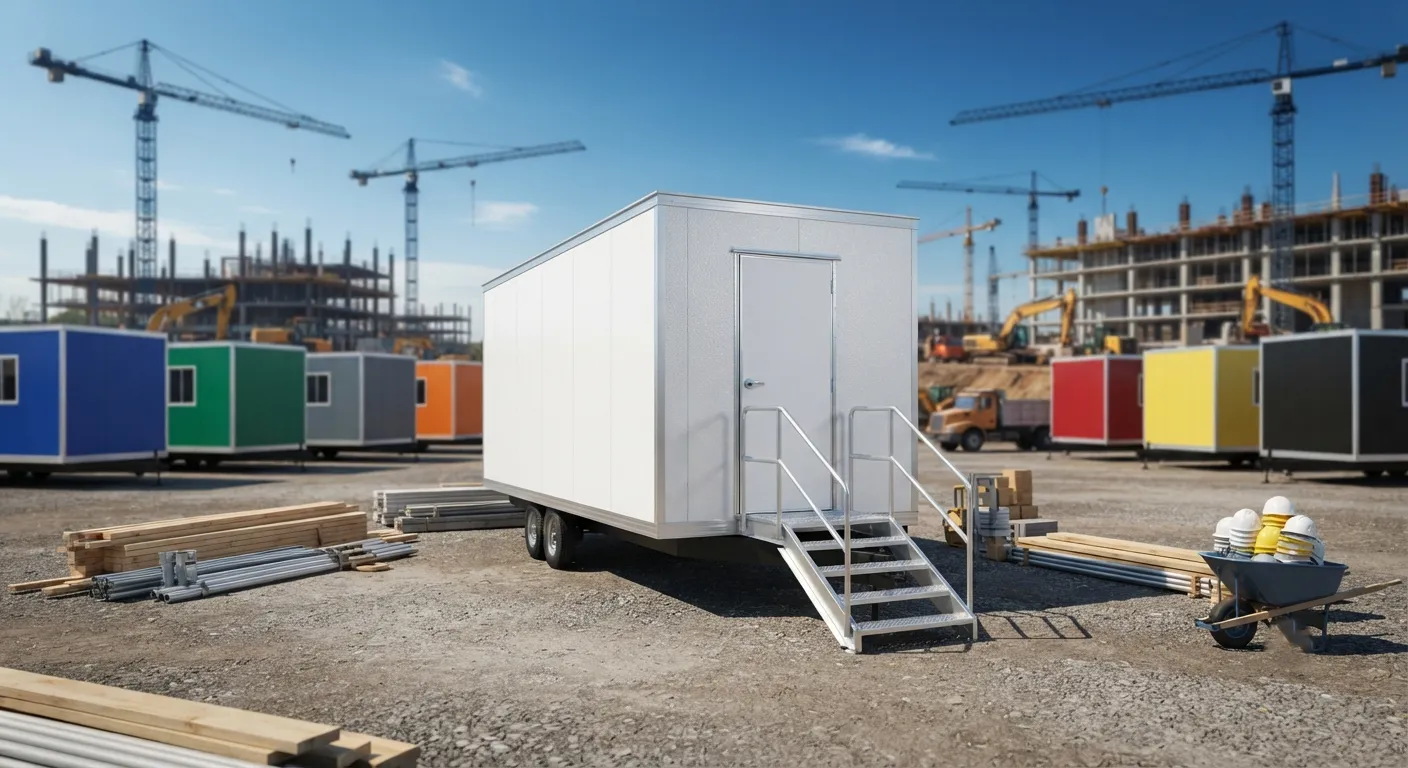
Camping units work the same mechanically as a standard rental, just smaller and easier to move by hand or trailer. No hookup, no chemical top-off needed for a short trip, and the tank holds enough for a weekend group before it needs a pump-out. For longer stays, service still follows the same interval logic as a jobsite unit. The camping porta potty page covers weekend and weeklong options, and if you're weighing a short rental against renting for a full week, the porta potty rental per day comparison walks through both. Farms and agricultural operations around Sand Coulee, 13.5 miles southeast of Great Falls, often combine a camping-style unit with a handwashing station to meet OSHA 1928.110's field sanitation rule, which sets one facility per 20 hand-labor employees within a quarter mile walk.
| unit | day | week | month |
|---|---|---|---|
| standard | $100-$350 | $130-$500 | $125-$325 |
| deluxe | $85-$1200 | $150-$290 | - |
| ada | $200-$400 | $240-$500 | - |
Prices vary by unit and length of rental. A porta potty rental cost breakdown and the monthly porta potty rental page both go deeper on what drives the range.
Do porta potties need a septic tank cleaning chemical?
Yes. The blue chemical in the tank isn't optional decoration, it breaks down waste and suppresses odor between pump-outs. Great Falls Porta Pros restocks it at every service visit. Ask about septic pumping service if you're also dealing with a home system.
How often are porta potties serviced?
ANSI/PSAI Z4.3 sets one visit per week as the baseline for up to 10 users over 40 hours. High-traffic sites in Great Falls need two or three visits weekly. See how often are porta potties cleaned for details by use case.
What OSHA rules apply to porta potties on a jobsite?
OSHA 1926.51(c)(1) sets toilet ratios by crew size, one unit per 20 workers up to a point. Full detail lives on the OSHA portable toilet requirements page.
Can I place a porta potty anywhere on my property?
Placement in the public right of way needs confirming with the city. On private property you generally have more flexibility. Check the porta potty placement guide before delivery day.
Do porta potties smell in the summer?
Regular servicing and the deodorizing chemical control odor even in warm weather. Heat speeds up breakdown, so hotter months sometimes need an extra weekly visit. Full explanation is on do porta potties smell.
Next step
Get a delivery date
Tell us the address, the dates and the headcount. We size the order and confirm the route.